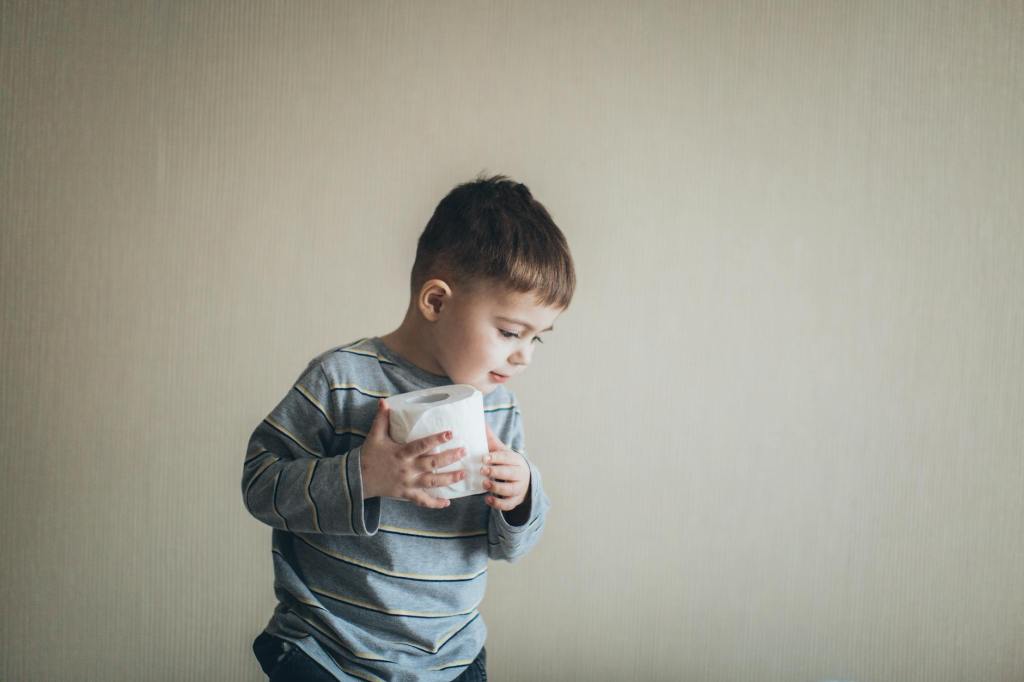
When a toddler is constipated, pooping can quickly become something they fear. Parents often see crying, hiding, leg crossing, stiff posture, or complete refusal to sit on the potty or toilet. Once fear enters the picture, constipation often gets worse.
The good news is that you can help a constipated toddler poop without fear. The key is to focus on comfort, softness, routine, and safety instead of pressure.
Why Toddlers Become Afraid to Poop
Most toddlers are not afraid of pooping for no reason. Fear usually starts after a painful bowel movement.
If a toddler has one large, hard, or painful poop, they may begin to think:
- Pooping hurts
- The toilet feels scary
- Holding it is safer
Then they start withholding, which makes stool bigger and harder. This creates a cycle of pain and fear.
Signs Your Toddler Is Scared to Poop
Fear of pooping may look like:
- Hiding behind furniture
- Crossing legs
- Standing stiff or on tiptoes
- Crying when they feel the urge
- Refusing to sit on the potty
- Asking for a diaper to poop
- Trying hard to avoid bathroom time
These behaviors are very common when constipation has become painful.
The First Goal: Soft, Easy Poops
If pooping still hurts, fear will continue.
The first goal is not potty training.
The first goal is soft, comfortable stool.
This usually means focusing on:
- Enough water
- Fiber rich foods
- A daily routine
- A treatment plan if needed from your child’s doctor
Once poops become easier, fear starts to fade.
Stay Calm and Reduce Pressure
Toddlers feel pressure quickly. If bathroom time becomes tense, fear usually gets worse.
Try to avoid:
- Arguing
- Bribes that feel stressful
- Forcing sits
- Showing frustration
- Talking about poop like it is a battle
Instead, use calm, neutral language like:
- “Your body is learning”
- “We’re helping your poop stay soft”
- “You’re safe”
- “We can try again later”
Make the Bathroom Feel Safe
Comfort matters.
Helpful things to try:
- A foot stool so their body feels supported
- Books or a calming toy nearby
- A predictable time to sit after meals
- Warm baths if their belly feels tight
- A soft routine instead of a strict demand
Some toddlers feel safer starting with a diaper while sitting near the toilet, then moving closer over time.
Use Routine Instead of Urgency
Toddlers respond better to rhythm than pressure.
A helpful pattern is:
- Sit for a few minutes after breakfast
- Sit again after dinner
- Keep it brief and low stress
- Praise the effort, not just the poop
Routine helps the body learn when it is time to go.
Praise Safety and Effort
Fear gets better when toddlers feel successful.
Praise:
- Sitting on the potty
- Telling you they need to go
- Trying to relax
- Small wins
You do not need to wait for a perfect poop to praise progress.
When to Ask for More Help
Talk with your child’s doctor if:
- Fear is getting worse
- Stools are still painful
- There is blood in the stool
- Your toddler is withholding often
- Home strategies are not helping
Some toddlers need a more structured plan to break the pain and fear cycle.
The Bottom Line
A constipated toddler who is scared to poop needs comfort before confidence. When stool is soft, routines are calm, and the bathroom feels safe, toddlers usually begin to relax.
You are not failing if your child is afraid. This is common, and it can get better with the right support.
Kindly,
Renee
Be sure to add this post to your favorite GI Pinterest board!
 Better Bowel Co: Gut Help for Kids & Adults
Leave a comment