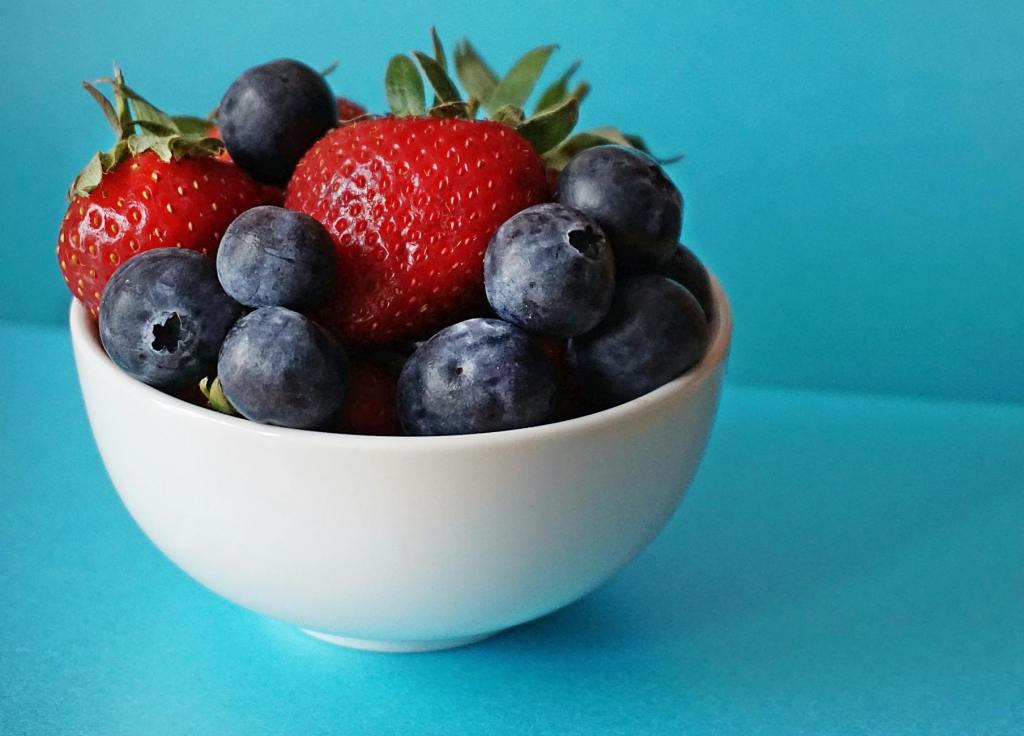
Have you ever noticed pieces of corn, tomato skins, blueberries, or other fruit and vegetable skins in your poop and immediately worried something was wrong with digestion?
You are not alone. This is one of the most common questions people ask about bowel health. The good news is that seeing certain food pieces in stool is usually completely normal and does not mean your body is failing to digest food properly.
Let’s break down why this happens and when it might actually matter.
Your Digestive System Is Strong But Not Designed To Break Down Everything
Your digestive system is excellent at breaking down nutrients, proteins, fats, and carbohydrates. However, some parts of plant foods contain materials that are naturally difficult to digest. The most common example is fiber.
Fruit and vegetable skins often contain insoluble fiber. Insoluble fiber helps move stool through the intestines and supports regular bowel movements, but it does not fully break down during digestion.
Because of this, small pieces of skins or fibrous food may appear in stool even when digestion is working perfectly.
Common Foods That Show Up In Stool
Certain foods are famous for being visible after digestion. These include:
Corn
Tomato skins
Blueberry skins
Bell pepper skins
Grape skins
Beans and lentil outer layers
Leafy vegetable stems
Seeds such as sesame or flax
Corn is probably the most well known example. The outer shell of corn kernels contains cellulose, which humans cannot fully digest. The inside of the corn is digested, but the shell may pass through mostly unchanged.
Seeing Food Pieces Does Not Mean You Are Not Absorbing Nutrients
This is a major misconception. When fruit or vegetable skins appear in stool, most of the important nutrients have already been absorbed earlier in digestion.
The stomach, pancreas, liver, and small intestine break down and absorb vitamins, minerals, sugars, proteins, and fats long before stool forms. The leftover fibrous shell is simply waste material that helps form healthy stool.
In fact, eating fiber rich foods that occasionally show up in stool is often a sign of a balanced and gut healthy diet.
Digestion Speed Plays A Role
Sometimes food moves faster through the intestines. When this happens, fibrous foods may be easier to recognize in stool.
Faster movement can happen during:
Mild stomach illness
Diet changes
Higher fiber intake
Stress or anxiety
Normal variation in bowel patterns
Seeing occasional food particles during these times is very common.
Why Kids Notice This More Often
Parents often notice this in children because kids may not chew food as thoroughly. Larger pieces of fruit or vegetable skin are more likely to pass through the digestive system intact if they are swallowed in bigger chunks.
Encouraging slow chewing can reduce visible food pieces, but seeing them occasionally is still very normal.
When Visible Food In Stool Might Matter
Most of the time, this finding is harmless. However, you may want to talk with a healthcare provider if you notice visible food pieces along with:
Chronic diarrhea
Unintentional weight loss
Poor growth in children
Greasy or oily appearing stool
Persistent abdominal pain
Large amounts of undigested food regularly
These symptoms could suggest problems with nutrient absorption and deserve evaluation.
Tips To Support Comfortable Digestion
Chew food slowly and thoroughly
Introduce fiber gradually
Drink plenty of fluids
Maintain regular bathroom habits
Eat a balanced variety of foods
Cooking vegetables can also soften fibrous skins and make them easier to digest if someone is sensitive to fiber.
The Bottom Line
Seeing fruit or vegetable skins in stool is usually a normal result of eating fiber rich foods. Your body absorbs the nutrients it needs and passes along the parts that help support healthy bowel movements.
Understanding what is normal can help reduce anxiety and build confidence in recognizing healthy digestion patterns.
If you ever feel unsure about stool changes, a healthcare provider can help guide you toward answers and reassurance.
Kindly,
Renee
Share this blog to your favorite Pinterest GI Board!
 Better Bowel Co: Gut Help for Kids & Adults
Leave a comment