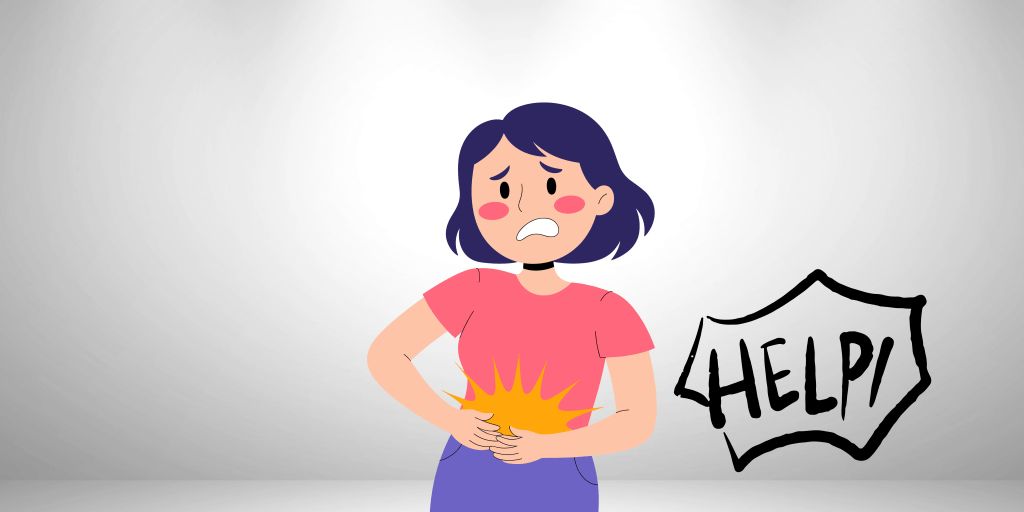
Stomach pain is one of the most common reasons kids and adults seek medical care. Whether it feels crampy, sharp, dull, tight, or bloated, the first question is always the same: How do I make it stop?
The good news is that most stomach pain is related to things that can improve with simple at-home steps. Here’s a clear, practical guide to help you figure out why your stomach hurts and what you can do to feel better fast.
Common Reasons Your Stomach Might Hurt
Most stomach pain comes from one of these causes:
1. Constipation
The number one cause of belly pain in kids and adults.
Signs include hard stools, skipped days, bloating, nausea, or a “full” feeling.
2. Gas or bloating
Air trapped in the gut can create pressure, tightness, or cramping.
3. Eating too fast
Quick eating increases swallowed air and overloads the stomach.
4. Trigger foods
Spicy foods, greasy foods, carbonated drinks, artificial sweeteners, beans, broccoli, onions, and large meals can irritate the stomach.
5. Reflux
Burning, nausea, discomfort after eating, or pain when lying down.
6. Viral stomach bugs
Pain may come with nausea, vomiting, or diarrhea.
7. Anxiety or stress
The gut and brain are deeply connected. Stress can cause real, noticeable stomach pain.
How to Make Your Stomach Stop Hurting
These strategies help in both kids and adults. Choose the ones that fit your symptoms.
1. Try Warmth
Warmth relaxes the GI muscles and can relieve cramping or tightness.
Try:
• Warm bath
• Heating pad
• Warm compress on the belly
2. Drink Water Slowly
Small, steady sips help move food and gas through the gut.
Avoid chugging — it can worsen bloating.
3. Take a Walk
Gentle movement helps:
• Move trapped gas
• Stimulate digestion
• Relieve constipation
• Calm the nervous system
Even 5–10 minutes can help.
4. Evaluate the Last Poop
If stools have been hard, infrequent, or small, constipation is likely the cause.
Helpful steps:
• Increase hydration
• Add soluble fiber foods
• Warm bath
• Toilet sit after meals
• Gentle belly massage (clockwise)
If this is a chronic issue, a fiber supplement may help.
5. Slow Down Eating
Eating too quickly causes swallowed air and reduced digestion.
Try:
• Smaller bites
• Putting the fork down between bites
• Eating without screens
• Taking time to chew fully
6. Avoid Trigger Foods Temporarily
If reflux or irritation is suspected, avoid:
• Spicy foods
• Tomato products
• Chocolate
• Mint
• Caffeine
• Large meals
• Carbonated drinks
Focus instead on:
• Oatmeal
• Bananas
• Rice
• Yogurt
• Lean protein
• Toast
• Soups
• Smoothies
7. Try a Stretching Routine
Simple movements help release gas and reduce cramping.
Helpful positions:
• Child’s pose
• Knees-to-chest
• Gentle torso twists
• Cat-cow stretches
8. Use Over-the-Counter Supports (If Needed)
Depending on the cause:
Gas: simethicone
Reflux: famotidine (adults or pediatric dosing per provider)
Constipation: fiber supplement, stool softener
Always check pediatric dosing with your provider for young children.
When Stomach Pain Means Something More
Seek care if stomach pain is:
• Severe or sudden
• Wakes you from sleep regularly
• Paired with persistent vomiting
• Paired with blood in stool or vomit
• Causing weight loss
• Located on the lower right side
• Lasting more than a few days without improvement
Trust your gut — if something feels off, it’s worth checking in.
Final Thoughts
Most stomach pain improves with basic gut-friendly habits like hydration, movement, slower eating, and regular bowel routines. Understanding the cause helps you choose the right steps for relief.
Kids and adults deserve to feel comfortable, confident, and pain-free. If the stomach issues keep coming back, you’re not alone and there’s always something we can do to help.
Kindley,
Renee
Add this blog post to your gut-friendly Pinterest Board!
 Better Bowel Co: Gut Help for Kids & Adults
Leave a comment